“first wash” search results (8000)

Introduction of water washing method for the treatment of high-quality coffee and raw beans
Coffee washing began in the mid-18th century. In the washing process, the pulp of the coffee fruit (red cherry) is first removed, then the residual mucous membrane on the inner pericarp is removed by a fermentation tank, and the beans are washed and dried. The difference between the non-washing method and the water washing method is that the non-washing method is to remove the pulp after drying, while the washing method is to remove the pulp before drying. Washing can pass every step.
2015-04-17 Boutique coffee raw beans treatment method introduction washing starting from
Coffee bean washing method
Water washing method is one of the most scientific and technological processing methods in all processing methods, which ensures uniform and stable quality of coffee beans through multiple screening. First, still put the beans into the tank, then remove the floating beans, and put the beans that sink to the bottom of the tank into the pulper. The pulp remover not only removes the pulp, but more importantly, it cleverly uses pressure to remove the unripe pulp.
2014-06-05 Coffee bean processing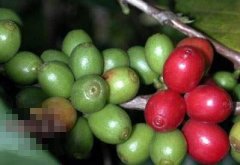
The treatment of coffee fruit
The harvest time of coffee fruit produced in different countries and regions is different, usually when the coffee fruit is bright red when the flower thickness is about 7 to 8 months, which is called "coffee cherry" (coffee cherries). The definition of treatment refers to the removal of the exocarp, endocarp, silver skin of coffee cherry. Wait for five parts, and finally get the coffee beans.
2014-06-18 Coffee knowledge coffee fruit coffee processing coffee encyclopedia
Washed coffee beans from Rwanda introduce Lutexilo producing area in the western province.
Most of the coffee in Rwanda is washed. The water washing method will first wash and flotation the ripe coffee fruit, then remove the exocarp, pulp and part of the pectin layer, then send the coffee into the fermentation tank, remove the remaining pectin layer and then send it to the drying ground for drying treatment, so that the water content reaches about 13%. The coffee in the picture above is placed in an African shed to dry.
2016-06-17 Washing method Rwanda coffee beans introduction western province Texi producing areas coffee
The difference in coffee flavor between sunburn and washing of coffee beans lies in where is the difference.
What is the difference between the coffee flavor of coffee beans by tanning and washing? a brief introduction to the treatment of raw coffee beans; tanning is a traditional method of primary processing of coffee beans. At present, ancient coffee bean-growing countries such as Ethiopia and Yemen still use solarization to treat raw beans. Sun treatment will first identify the sunken beans in the sink, that is, ripe or half-ripe beans.
2016-10-20 Coffee beans sun exposure washing coffee flavor the difference is where what different
Exquisite Ethiopian Coffee Yega Xuefei Rose Summer Coffee
Recently, the most popular Yega Xuefei is the blue Nile G1 found by Maoye. Maoye remembers that the goods arrived on August 1st. As a result, it took only half a month to place another order with Taiwan. Unfortunately, there is no more stock in Taiwan, and now there is almost nothing left in the hands of the Blue Nile Cat, which makes Maoye feel very lost.
2016-04-30 Exquisite Ethiopia Coffee Yega Sheffield producing area Rose Summer recently popular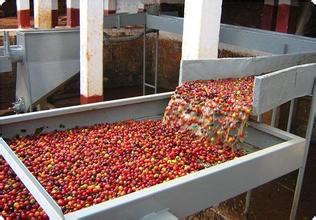
The processing methods of coffee beans: an introduction to the specific operation of semi-washing, washing and drying.
The semi-washing method first removes the skin with water, and then goes to the sun. This is a relatively new and rare method. This method is only suitable for specific areas of some countries, with a long drying period. The coffee produced by this method is sticky, and the mucus is not removed as it is fermented in the tank. Therefore, the coffee produced by this semi-washing method contains water washing method.
2015-12-29 Coffee beans processing method semi-water washing drying concrete operation introduction
Coffee bean water wash coffee treatment coffee bath coffee cherry what is water cleaning
Recently, there are always friends who have just come into contact with coffee to ask, what is the meaning of water washing and sun honey treatment on coffee bean bags? Water washing is not coffee like people bathing with water ah, sunbathing is not people sunbathing, honey treatment is not a fragrant bath ah! Haha, the picture is too beautiful to think about getting back to the point. Let me simply explain the washing of this half bucket of water today.
2016-03-02 Coffee beans washing coffee processing bathing cherries what recently there is always contact
Introduction to the treatment of coffee beans there are several treatment methods for mechanically semi-washed coffee beans
Mechanical semi-washing-economical half-sun method can not be used in all producing areas. If the producing area with heavy moisture is allowed to take out the pectin pods and expose them outdoors, it is not only not easy to be dehydrated and hard, but also prone to parasitic molds. therefore, the mechanical semi-washing method has been developed in areas with heavy humidity, which saves both effort and water. First put the red fruit and the half-green and half-red fruit that have sunk into the sink
2016-07-21 Coffee beans treatment method introduction mechanical washing several methods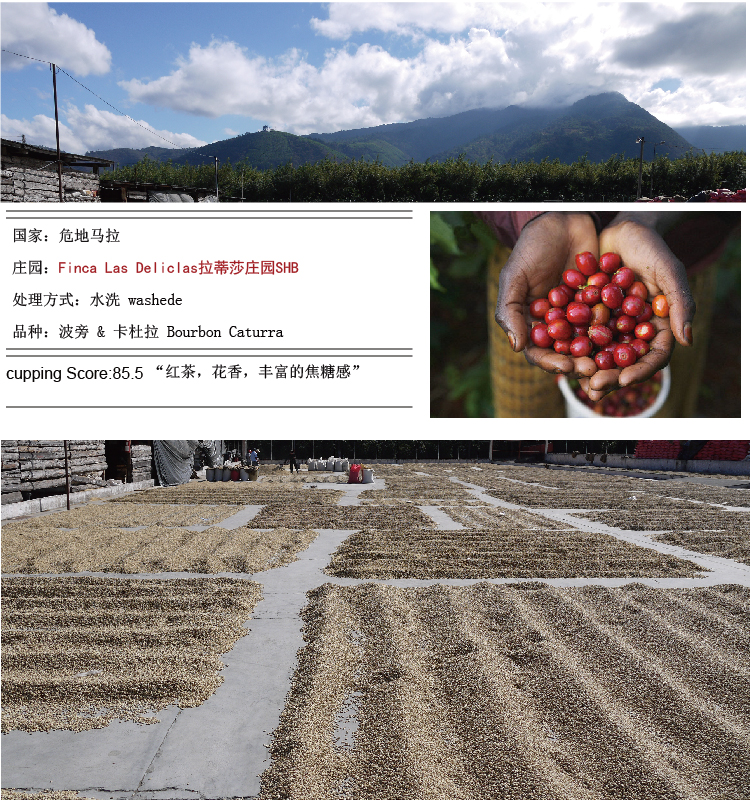
The processing of brown beans what is the semi-washing method what is the washing method and what is the drying method?
The semi-washing method first removes the skin with water, and then goes to the sun. This is a relatively new and rare method. This method is only suitable for specific areas of some countries, with a long drying period. The coffee produced by this method is sticky, and the mucus is not removed as it is fermented in the tank. Therefore, the coffee produced by this semi-washing method contains water washing method.
2016-04-14 Brown beans processing what half-water washing drying difference what is
Raw bean treatment of coffee washed with water, semi-washed, insolated and honey
The first is dry treatment (secado), also known as natural all-day exposure (natural). After the coffee fruit is actually picked, it is dried directly in the sun. According to the weather conditions, it is generally necessary to dry the coffee beans for 2 weeks to reduce the water content of the coffee beans to 10%, 12%, and then use a machine to remove the dried peel and pulp. The raw bean processing plant (beneficio) usually retains the sheepskin on the outside of the coffee beans when the raw beans are stored.
2015-11-04 Coffee washing tanning processing raw beans a kind of treatment secado also known as
Colombia Santa Rita Coffee Green Bean Washing in Andes Microregion
The history of coffee cultivation in Colombia can be traced back to the Spanish colonial era in the 16th century. There are also many sayings about the history of coffee in Colombia: First, it is said to have been transmitted from the Caribbean island of Haiti via El Salvador in Central America. Second, coffee beans were first introduced into Colombia in 1808 by a priest from the French Antilles via Venezuela. one of
2016-06-20 Colombia Santa Rita Coffee Green Beans Andes Mountains Producing Area Washing Processing
The effect of sun washing on coffee beans what is the difference in flavor?
Coffee washing is also a semi-washing method for the treatment of coffee berries. This method is developed on the basis of washing. The first step is the same as washing. When the fruit turns red, it is picked and put into the pool. The immature fruit floats and the ripe coffee fruit sinks. Remove immature coffee berries in this way. Then use the ripe coffee berries specially
2016-10-21 Sun exposure washing processing coffee beans influence difference flavor where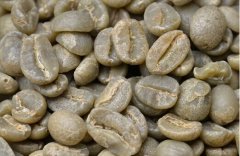
Boutique coffee roasting Red bourbon of Musasha Cooperative, Rwanda
[product name]: red bourbon [production area]: Rushashi [variety]: red bourbon [treatment]: traditional washing [producer]: many friends of the Musasha Cooperative know that it is located in the Rushashi producing area in the north of Rwanda, and the Musasha Cooperative in the producing area is famous for its good results in cup test competitions in previous years, which is the most famous in this producing area.
2015-09-02 Boutique Coffee Baking Rwanda Musa Cooperative Hongbo name
Introduction to the characteristics of High-quality Coffee beans in the Manor area
Most of the coffee in Rwanda is washed. The water washing method will first wash and flotation the ripe coffee fruit, then remove the exocarp, pulp and part of the pectin layer, then send the coffee into the fermentation tank, remove the remaining pectin layer and then send it to the drying ground for drying treatment, so that the water content reaches about 13%. The coffee in the picture above is placed in an African shed to dry.
2016-08-10 Aroma persistence Rwanda coffee flavor taste manor producing area characteristics boutique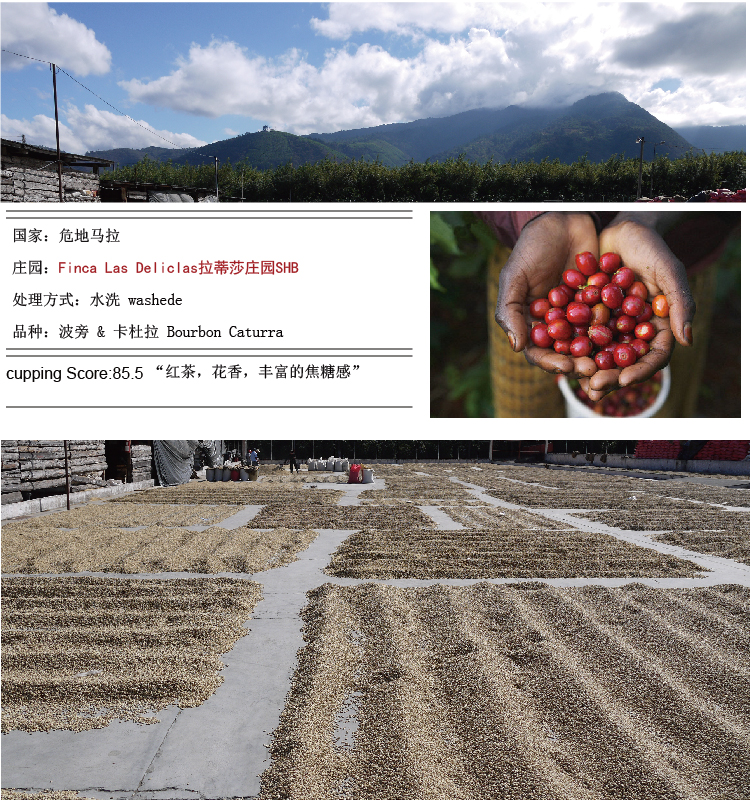
Please introduce the raw bean treatment method of coffee washing, semi-washing, sun drying and honey treatment.
The first is dry treatment (secado), also known as natural all-day exposure (natural). After the coffee fruit is actually picked, it is dried directly in the sun. According to the weather conditions, it is generally necessary to dry the coffee beans for 2 weeks to reduce the water content of the coffee beans to 10%, 12%, and then use a machine to remove the dried peel and pulp. The raw bean processing plant (beneficio) usually keeps the outside of the coffee beans when the raw beans are stored.
2016-04-14 Introduction Coffee Water washing Solar treatment Raw beans one secado
Methods of processing raw coffee beans with coffee beans
Raw beans generally use washing and drying methods, both of which can produce high quality raw beans. First, washing method: generally speaking, there will be more distinct acidity and more consistent flavor. In the process of washing, the pulp is immediately separated from the raw bean, rather than drying it. The steps are as follows: 1. Selection: put the fruit in the sink and let stand for about 24 hours. Mature and immature due to
2015-02-02 Coffee beans processing methods raw beans general water washing drying two kinds
Washed Rwandan Bourbon Coffee Bean Type Introduction Boutique Coffee
Rwanda's flavor, ashamed of the bias that initially appeared in Rwanda's perception. I remember when I first came into contact with coffee, carrying out olfactory training was very resistant to No.3 in the 36-scent bottle, and even felt like vomiting when I smelled it. Therefore, subjectively, I always like to make up the taste of grass for the smell of green peas. Due to lack of experience in evaluation and production, subjective
2016-06-27 wash process Rwanda bourbon coffee beans type presentation boutique coffee Lou
Coffee bean production process and common coffee processing methods
Process Description: 1. Remove the shell and remove the coffee shell. 2, choose beans, remove moldy coffee beans. 3, cleaning, washing coffee with water to wash away surface dirt. 4. Bake, bake at 90~100℃ for half an hour. 5. Grinding: grinding and crushing the processed coffee with a roller grinder. 6, pulping (add water), add coffee about 3 times the 95℃ hot water
2014-07-08 Coffee knowledge Coffee bean production Coffee encyclopedia
Basic knowledge of fine coffee processing methods of raw coffee beans
Raw beans generally use washing and drying methods, both of which can produce high quality raw beans. First, washing method: generally speaking, there will be more distinct acidity and more consistent flavor. In the process of washing, the pulp is immediately separated from the raw bean, rather than drying it. The steps are as follows: 1. Selection: put the fruit in the sink and let stand for about 24 hours. Mature and immature due to
2015-01-22 Boutique coffee basic knowledge raw beans processing methods general water washing